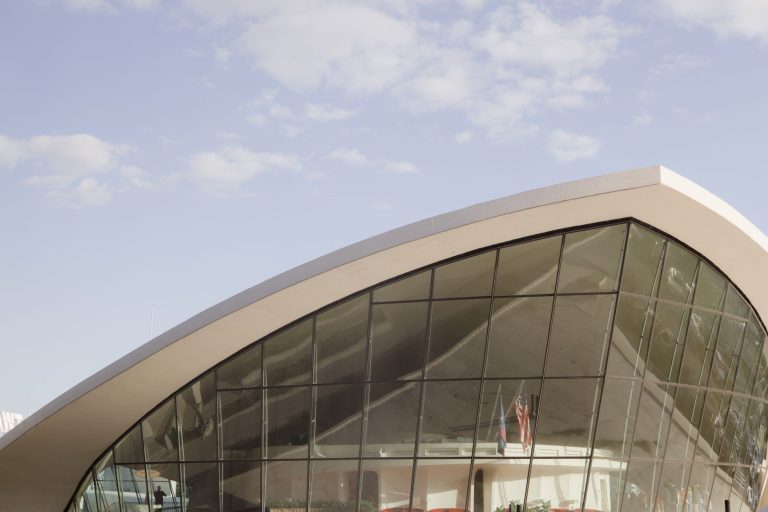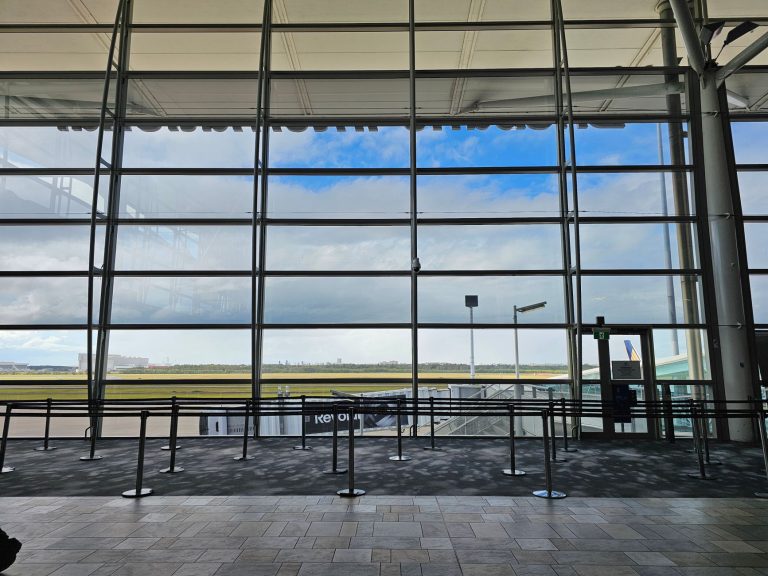
Mace Consult, working alongside Australia’s TBH Consultancy, has won a role on the Sydney Airport capital works programme, worth $4.2bn (A$6bn), which the operator says will help “shape the future of air travel in Australia.” The appointment was reported by Global Construction Review on 16 September 2026.
Mace Consult and TBH Consultancy have won a role on Sydney Airport’s $4.2bn (A$6bn) capital works programme, working under the airport’s Lot 3, Delivery Services framework. The programme covers 65,000 sqm of new terminal and airfield space aimed at increasing capacity at Australia.
The scope handed to the two consultancies is programme and project management, cost and commercial management, project controls, risk management, procurement advisory and delivery assurance. It is a management and controls appointment rather than a construction contract, sitting above the building packages that will still need to be tendered and awarded as the programme progresses.
Kate Flint, Mace Consult’s director in Australia, said the airport’s plans demand “agile programme leadership, disciplined planning and controls, and a deep understanding of how complex infrastructure is delivered in live, high-pressure environments.” Paul Willis, Sydney Airport’s head of executive planning and delivery, framed the work as investment “our passengers, airline partners and stakeholders need as demand continues to grow.”
For contractors and suppliers watching the Australian market, this is an early-stage appointment worth tracking rather than acting on directly. The programme and project controls layer is now set, which means the construction, systems and fit-out packages beneath it are the next tranche of contracts to open, and a live one alongside the other major airport capital programmes running through 2026-27.
The Sydney award also lands in a period when Australian airport capacity is under separate commercial pressure, with Brisbane Airport signing a AU$145 million warehouse deal with Costco for delivery by 2029. Both point to Australian airports treating landside and airside capacity as a single investment decision rather than separate budget lines.
Delivery-side firms bidding into the building packages that follow should also note how design-build teams are being scored elsewhere in the sector: the Design-Build Institute of America’s 2026 merit awards named three airport terminal projects among its winners, a useful reference point for the standard Sydney’s later packages will likely be judged against.
For heads of capital programmes elsewhere, the practical takeaway is procurement structure, not headline value: Sydney has separated programme controls from delivery packages under a named framework, and that split is what the next tenders will be built around. Anyone bidding into the Sydney works should track Lot 3 activity now, ahead of the construction and systems packages it will feed.