Pittsburgh International Airport (PIT) is adding a dedicated TSA PreCheck Touchless ID lane using facial comparison technology, letting eligible travellers clear the checkpoint’s identity check without presenting a physical ID, nearly a year after its new terminal opened. The move follows twelve months of monitoring how passengers actually move through the new facility.
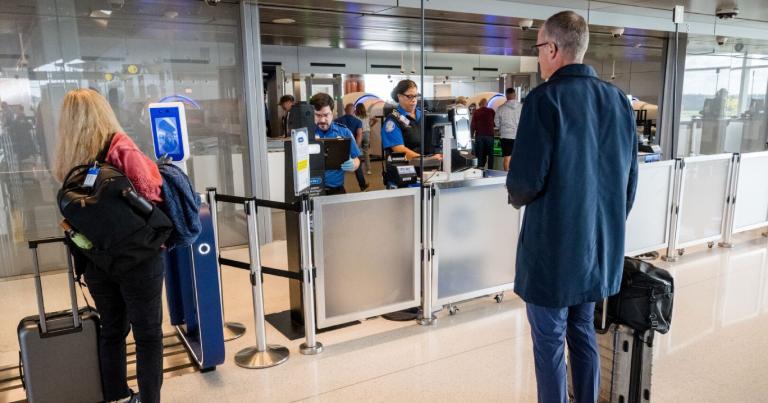
Pittsburgh International Airport is adding a dedicated TSA PreCheck Touchless ID lane using facial comparison technology, letting eligible travellers skip the step of handing over a physical ID at the identity verification point. The lane sits at the main security checkpoint and uses facial comparison to match a traveller against their own stored credential rather than a document, with TSA running the matching process rather than any new third-party screening firm named in the announcement.
Enrolment is voluntary and limited to TSA PreCheck members carrying a valid passport, who must link an active profile with a participating airline or with Google Wallet. A Touchless ID indicator then appears on the traveller’s mobile boarding pass before they are allowed into the dedicated lane. Participating carriers are Alaska Airlines, American Airlines, Delta Air Lines, Hawaiian Airlines, Southwest Airlines and United Airlines, six of the largest US network and low-cost operators.
TSA says photos and personal data collected through the programme are deleted within 24 hours of the traveller’s scheduled flight departure, and are not used for law enforcement or surveillance, nor shared with other entities. Passengers are still advised to carry a REAL ID-compliant document in case an officer requests it, so the lane removes a step rather than a requirement.
For an operations director, the real story is the data behind the decision rather than the lane itself. PIT and TSA have spent a year tracking checkpoint layout, traveller flow and screening patterns inside the new terminal, and this lane is the first visible output of that review, a model other airports running new or renovated checkpoints will want to copy rather than commission fresh. It also lands alongside a wider industry push toward facial comparison at the gate, the same direction of travel covered in Idemia’s MFACE Gen2 rollout and the five-firm coalition shaping EU biometric rules.
No capital cost is disclosed in the announcement, which matters: this is a checkpoint process change built on existing TSA biometric infrastructure and airline app integration, not a new hardware procurement. That makes it a comparatively cheap win for any airport, and a useful counterpoint to Pittsburgh’s own capital-heavy history, including its baggage system replacement completed in year one of the new terminal. It also fits a pattern of PreCheck programme refinements that includes TSA’s Gateside Pass trial at Syracuse, another low-cost operational tweak rather than a procurement.
For airports with PreCheck lanes already in place, the practical move is to ask TSA what data PIT’s year of flow monitoring surfaced before committing floor space to a dedicated lane, since the benefit here is queue segmentation and dwell time, not new scanning hardware. The news was first reported by Future Travel Experience.
Image: futuretravelexperience.com