Corporate buyers, not airlines, could become the swing factor that decides how fast sustainable aviation fuel production scales this decade, according to new research that airports will want to read before their next fuel supply negotiation. A joint study from IATA pressroom, Airbus and Accenture puts a number on what has so far been a vague industry hope.
Corporate purchases of SAF Environmental Attribute Certificates (EAc) could support between 1.0 million and 1.9 million tonnes of SAF by 2030, the three organisations estimate, up from roughly 323,000 tonnes in 2024, a near six-fold increase at the top of the range. The figure sits inside a SAF EAc Market study published on 14 October 2026, which models demand from companies buying certificates to offset the emissions from staff business travel and air cargo rather than fuel itself.
The gap between potential and actual demand is the real story for anyone running airport fuel infrastructure or sustainability procurement. Global SAF production in 2026 is expected to reach just 2.4 million tonnes, or 0.8% of total jet fuel use, and SAF remains two to three times more expensive than conventional jet fuel. Certificates currently trade between USD 150 and USD 500 per tonne of CO2e abated, with companies reporting they are willing to pay closer to USD 300.
Airlines already account for about 53% of corporate SAF certificate purchases, making carriers the largest existing channel for companies trying to address their scope 3 emissions. Only around 15% of surveyed corporates are buying today, which means 85% are still on the sidelines, mostly waiting on three things the study flags directly: clearer accounting rules, lower minimum purchase volumes and simpler, more transparent pricing.
“Airlines cannot shoulder the cost of scaling it up alone,” said Marie Owens Thomsen, IATA’s Senior Vice President Sustainability and Chief Economist, who argues that getting the accounting and process right “will help unlock investment, grow the market, and accelerate SAF production.” Julien Manhes of Airbus made a similar point, calling book-and-claim systems the mechanism that could “transform potential interest into firm commitments.”
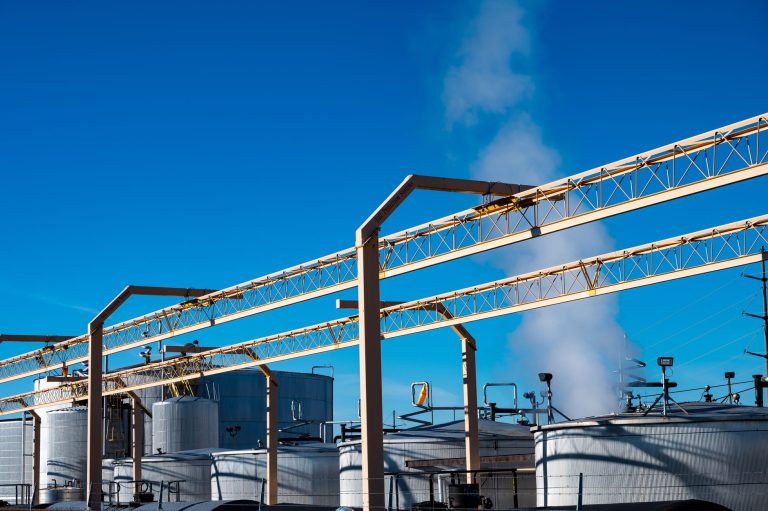
For airports, the practical question is where this demand lands physically. Production capacity and blending infrastructure remain the bottleneck regardless of how much corporate money shows up, a constraint visible in smaller-scale efforts such as Aether Fuels’ ASTM-certified SAF demonstration plant, which is still running at a few barrels a day rather than industrial volume. Airports backing clean-tech pilots directly, as Bristol Airport did when it selected three projects from 28 bids, are positioning themselves as test sites for exactly the kind of scale-up this study says corporate money could fund.
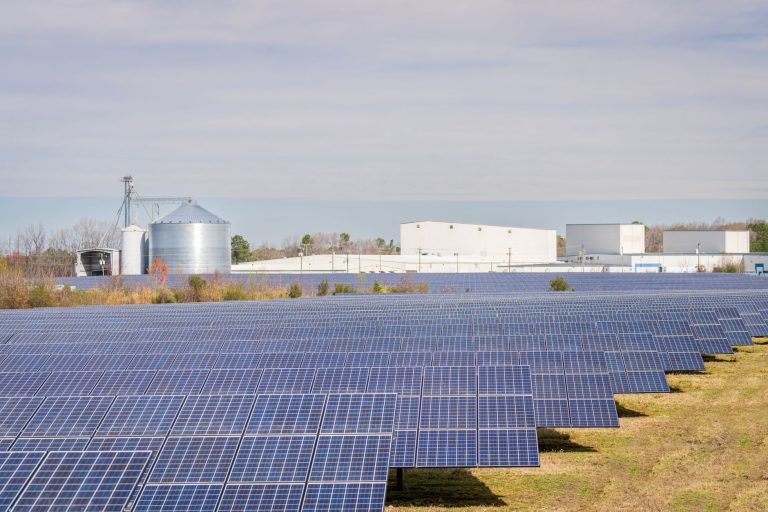
SAF is only one lever on the energy side of an airport’s decarbonisation plan, alongside measures such as London Luton Airport’s no-capex 10.42MWp solar farm, but it is the one with the most expensive unit economics and the least settled accounting. Airports that depend on a small number of home carriers for SAF uptake are exposed if those carriers are not among the roughly half of certificate buyers already active in the market.
The takeaway for commercial and sustainability teams is to treat corporate SAF demand as a financing question, not a marketing one. Airports with spare capacity for blending or storage infrastructure should be tracking book-and-claim frameworks now, because the study’s authors are explicit that the money will only materialise if the purchasing process gets simpler before 2030, not after.