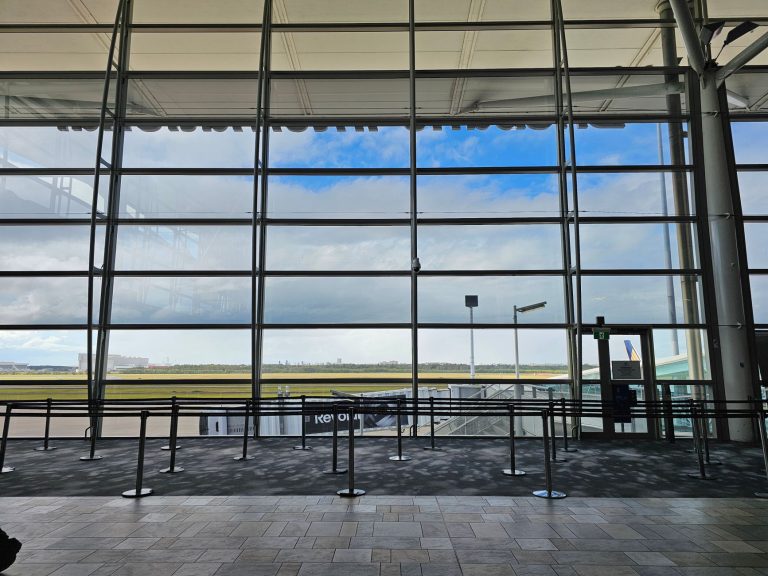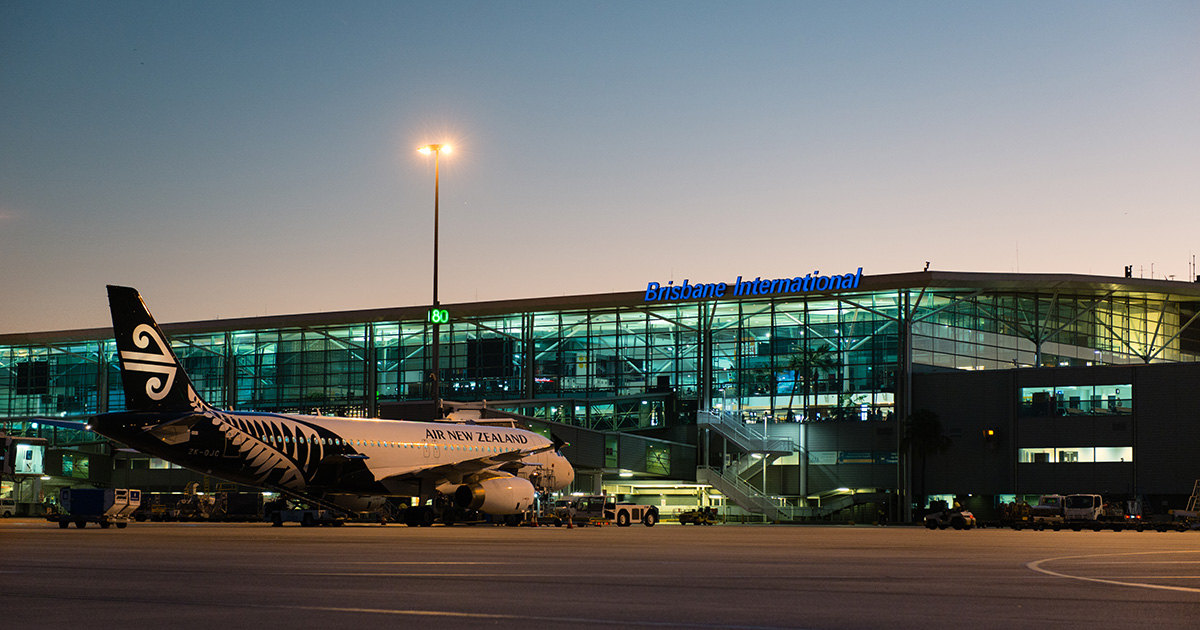
The new Brisbane Airport passport control facility, a 12-lane hall on Level 4 of its International Terminal, is timed to be operational before a school holiday period the airport forecasts will bring 1.8 million passengers through its gates, with executive general manager of aviation Ryan Both saying the redesign lets travellers “move seamlessly from security screening to passport control” on the way to the gate.
Brisbane Airport has opened a 12-lane passport control facility on Level 4 of its International Terminal, timed to be operational before a school holiday period the airport forecasts will bring 1.8 million passengers through its gates. The new hall sits alongside a relocated security screening area, so check-in, security and passport control now run on a single level for the first time, a layout change the airport says also frees space for a near doubling of its duty-free retail footprint.
The timing is the point. Brisbane Airport expects international traffic between 18 September and 12 October to run 6.1% higher than the same period last year, with Queensland travellers routed towards Japan, China, Europe, North America, Bali, Fiji and Vanuatu. Monday 5 October, a public holiday, is forecast to be the second-busiest day in the airport’s history at 84,100 passengers across both terminals, behind only its single busiest day on record.
For an operations or passenger experience director elsewhere, the relevant number is not the passenger count but the lane count relative to it: 12 lanes to absorb a near-doubled retail footprint and a single-level passenger flow is the design ratio worth benchmarking against, not the headline traffic figure, which is specific to Brisbane’s route network. Airports weighing their own border upgrades have several live comparisons to draw on, including SITA’s Border Flow Lane rollout clearing travellers pre-departure and Bermuda Airport’s biometric enhanced passenger processing, both aimed at the same bottleneck Brisbane has just rebuilt around.
The passport hall is one piece of a larger spend. Brisbane Airport is investing A$5bn (US$3.3bn) over five years under its Future BNE programme, of which this relocation and the retail expansion it enables form an early, visible instalment. Airports tracking the pace of Australia’s capital programmes should also note Western Sydney Airport’s own systems testing ahead of opening, a reminder that Brisbane is not the only Australian gateway rebuilding for peak capacity this cycle. The duty-free expansion also puts Brisbane in the same commercial conversation as terminals running large concession retenders, such as Gatwick’s 3,800 sqm food and beverage tender.
Both also flagged the operational spillover: kerbside traffic, parking, check-in and bag drop will all run busier than usual through the holiday window, with the airport advising 90 minutes for domestic departures and three hours for international ones. That is a standard mitigation, not a capacity fix, and it puts the load back on the new passport hall to hold up under first-week volumes it has not yet been tested against.
The story is reported by Brisbane Airport and first covered by Passenger Terminal Today. The hall’s real test comes in its first week of holiday traffic, not in the numbers behind its design.
Photo: brisbaneairport.com