iGA Istanbul Airport has opened the sixth runway Istanbul Airport now operates, the fourth of its main runways and the first completed scheme under its Phase 2 expansion. The project cost €890 million (about $960 million at September 2026 exchange rates), according to Airport World and iGA, and lifts the airport’s total to six runways, with chairman Cemal Kalyoncu calling it “an important milestone” for Turkey’s transfer-hub ambitions. The new runway is a bigger capacity release than it sounds: it runs on a different axis to the airport’s existing runways, which means it adds independent movements rather than simply parallel throughput.
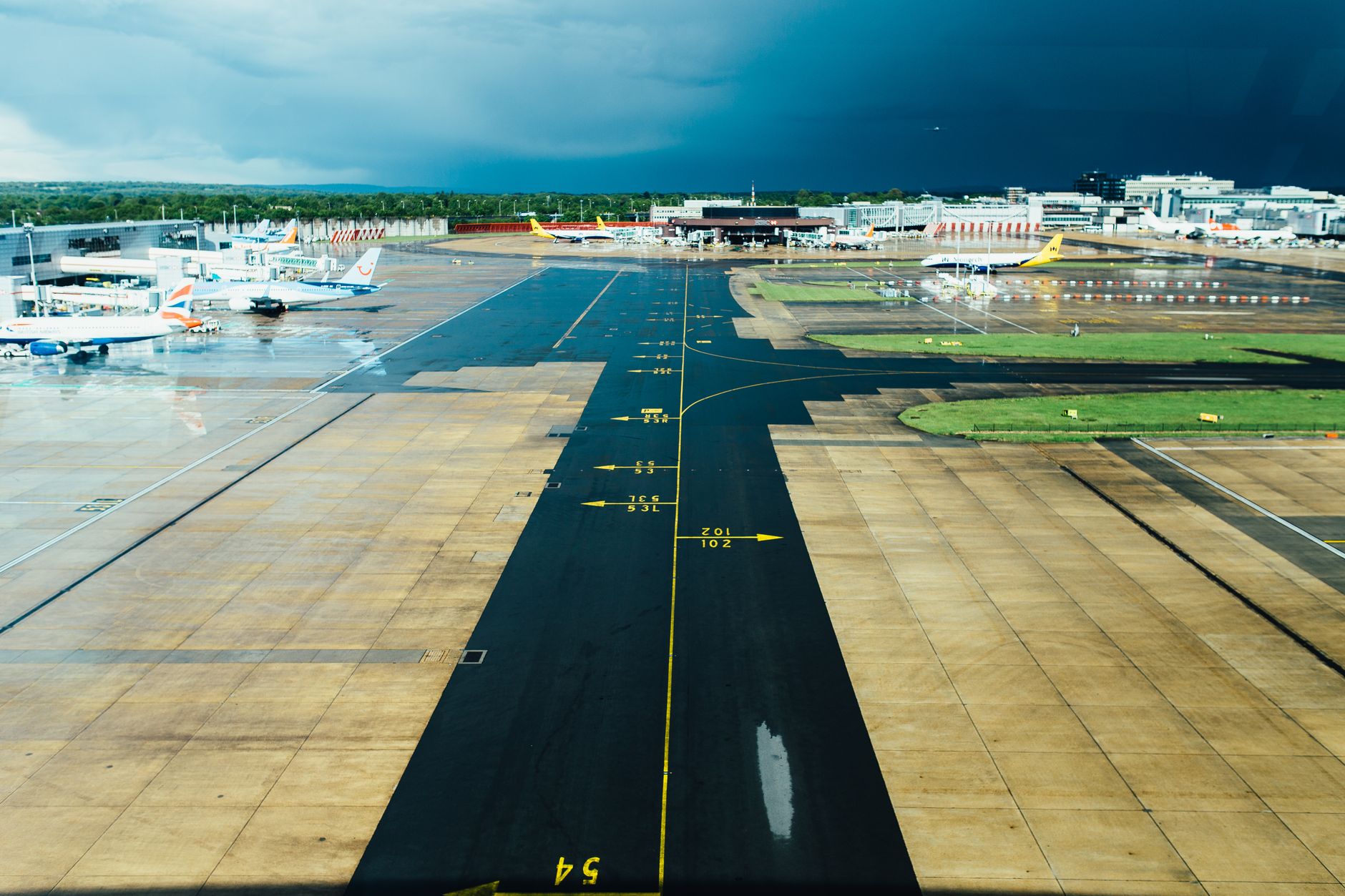
The runway is a concrete strip 2,820 metres long and 45 metres wide, built on an East-West axis. It joins the three main and two auxiliary runways already in service on a North-South alignment, taking iGA Istanbul Airport to six runways in total and giving the operator crosswind and independent-approach capacity it did not previously have.
Turkey’s President Recep Tayyip Erdoğan and Minister of Transport and Infrastructure Abdulkadir Uraloğlu attended the opening ceremony on Friday 18 September 2026, according to Airport World, which first reported the opening. The same ceremony inaugurated Florentia Village, billed as Turkey’s first luxury designer outlet development to international standards, alongside the runway.
iGA is bundling the runway with a wider push to build out Istanbul as a transfer hub rather than a single-asset story. The 485-room Hilton Istanbul Airport has already opened on site, as has the JETEX-iGA Terminal built with private aviation handler JETEX to serve business jet traffic. Combined with the runway and the Florentia Village retail scheme, it is a deliberate stacking of capacity, hospitality and non-aeronautical revenue around the same expansion phase.
For other operators running or planning multi-phase capacity programmes, the sequencing is the useful part to copy: infrastructure, hospitality and retail delivered together rather than years apart, so the revenue base is in place before traffic catches up. It is the same logic running through Jeddah’s KAIA expansion and the phased contracts feeding Sydney Airport’s capital programme, where consultants and contractors are being brought in ahead of, not after, the capacity need.
Where Istanbul differs is scale and state backing. The €890 million figure, as reported by Airport World, covers this runway alone, not the full Phase 2 scope, so readers comparing it against other hub expansions should treat it as one contract in a larger programme rather than the total spend. That distinction matters for anyone benchmarking it against the broader field tracked in the biggest airport capital programmes of 2026-27.
The practical takeaway: if Istanbul’s transfer traffic grows as the operator intends, expect further Phase 2 contract awards on construction, systems and retail fit-out over the next two years, and expect iGA to publicise each one, since President Erdoğan’s attendance signals this is a state-priority programme, not a routine capacity add. Suppliers with runway, terminal or retail capability should be watching for the next tender rather than the next runway.