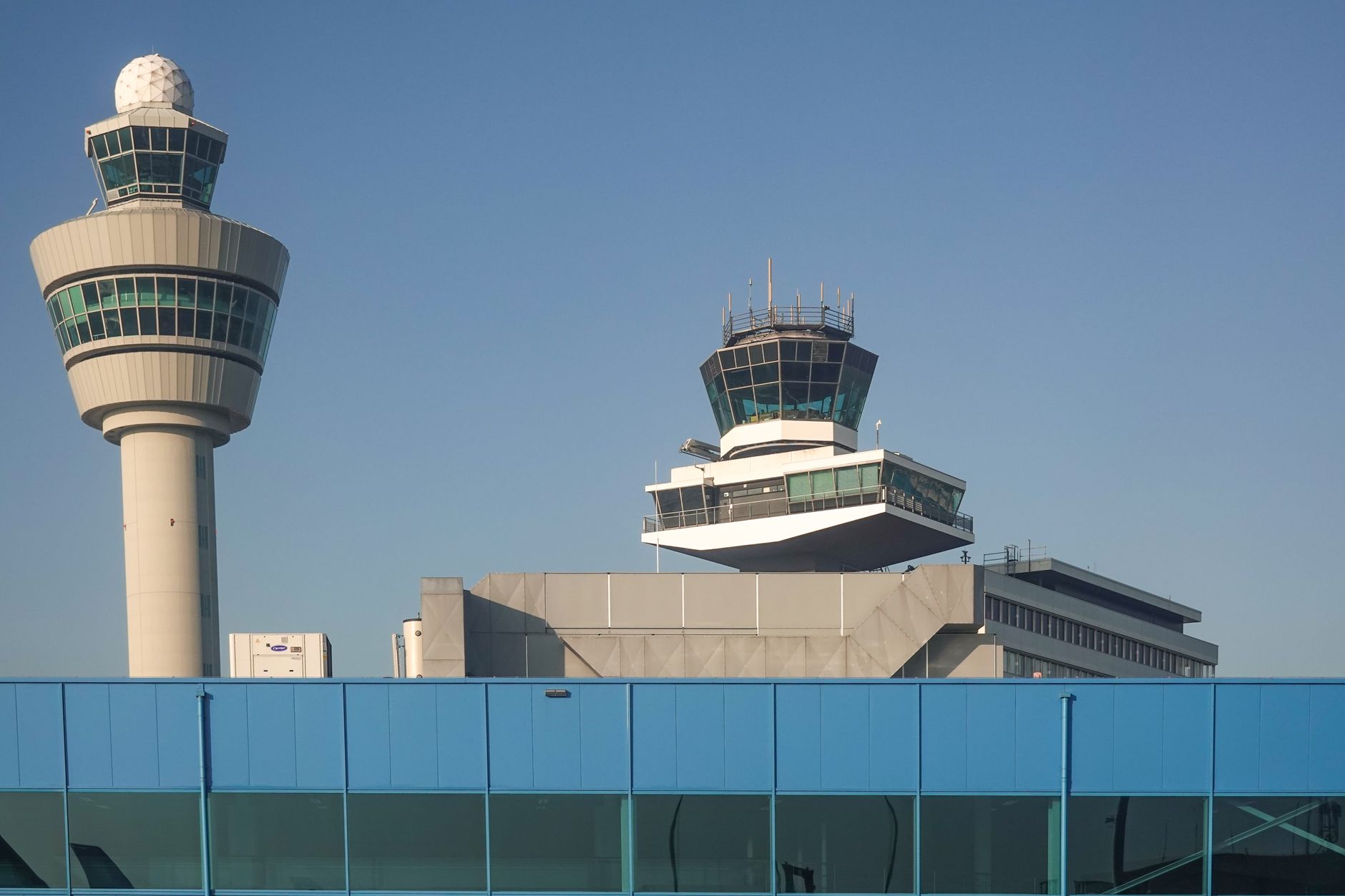
Royal Schiphol Group has launched five Schiphol nine-year contracts covering terminals, aprons and technical buildings, part of a €10bn ($10.8bn) renewal programme running to 2035 as existing deals expire in 2028. The tenders mark a structural shift in how Europe’s third-busiest airport manages its own estate.
Royal Schiphol Group has launched five nine-year contracts covering maintenance, replacement and project work on terminals, technical installations, aprons and operational buildings, running to 2037. The scope spans aircraft aprons, passenger bridges, electric vehicle charging infrastructure, technical rooms, retail space, climate control systems and operational facilities, and replaces a set of contracts that mostly expire in 2028.
For contractors and systems integrators, this is a rare multi-year pipeline at a hub that handled over 50 million passengers a year before the pandemic and has been working to rebuild its reputation for reliability ever since. Nine years of guaranteed scope, rather than the usual two or three-year renewal cycle, gives suppliers far more certainty to plan crews, stock parts and price long-term maintenance contracts rather than bidding project by project.
The new model also changes Schiphol’s own role. Rather than handing over broad delivery packages, the airport is positioning itself as a stronger client and asset manager, keeping more direct control over its infrastructure while contracting out specific maintenance and renewal streams. Bart Smolders, Royal Schiphol Group’s chief infrastructure officer, said the goal is “to restore Schiphol to the standard of Europe’s leading airports, offering a high-quality experience for travellers and airlines,” adding that “large parts of our infrastructure will be renewed, replaced or renovated over the coming years.”
The €10bn figure covers the period from 2025 to 2035 and is Schiphol’s own stated renewal and quality-improvement budget, not the value of these five tenders specifically, which have not been individually priced in the announcement. That scope distinction matters for anyone comparing it with other European capital programmes: it sits well below Heathrow’s £49bn third runway plan, but runs on a similar decade-long horizon.
Schiphol’s approach of splitting work into parallel long-term contracts rather than one mega-package echoes the structure seen at Jeddah’s six-contract KAIA expansion, where breaking a large programme into discrete tenders lets more specialist firms bid rather than only the largest contractors able to absorb a single enormous scope. It is also a different funding model to operator-backed pledges such as VINCI Airports’ five-year commitment at Edinburgh, since Schiphol is running the tenders itself rather than channelling investment through a single concession partner.
Who this helps: facilities and asset-management contractors, apron and bridge maintenance specialists, and technical-systems integrators able to commit to a nine-year horizon. Who it does not help: incumbents on the current Schiphol contracts expiring in 2028, who will need to rebid under the new client-led model rather than simply roll over existing agreements.
Full tender documentation is being released through Royal Schiphol Group’s own procurement channels. For suppliers, the practical move now is to register interest early and price against the 2037 end date rather than the shorter cycles Schiphol has run previously; for rival hubs, the nine-year structure itself is the thing worth copying.
This article is based on reporting by Global Construction Review. For more on the airport, visit Royal Schiphol Group.