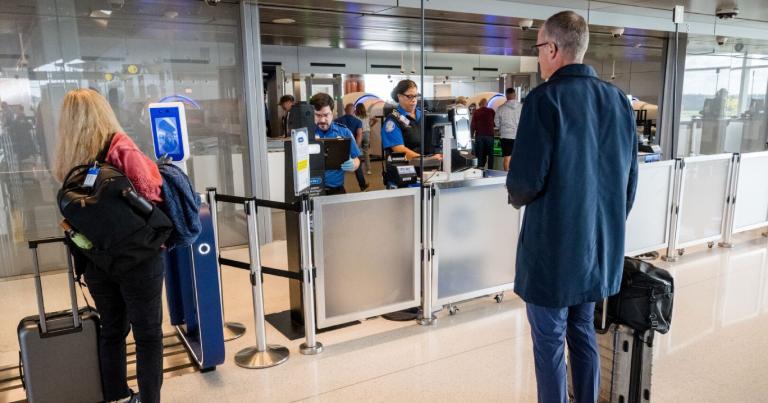
The Transportation Security Administration now accepts myColorado mobile driver’s licences at every Colorado airport it screens, including Denver International Airport, using CAT-2 facial-comparison units already deployed in 20 other US states. For airports still running older document-check hardware, Colorado’s addition is another data point on how fast this checkpoint upgrade is spreading, and how quickly it is becoming the default rather than the pilot.
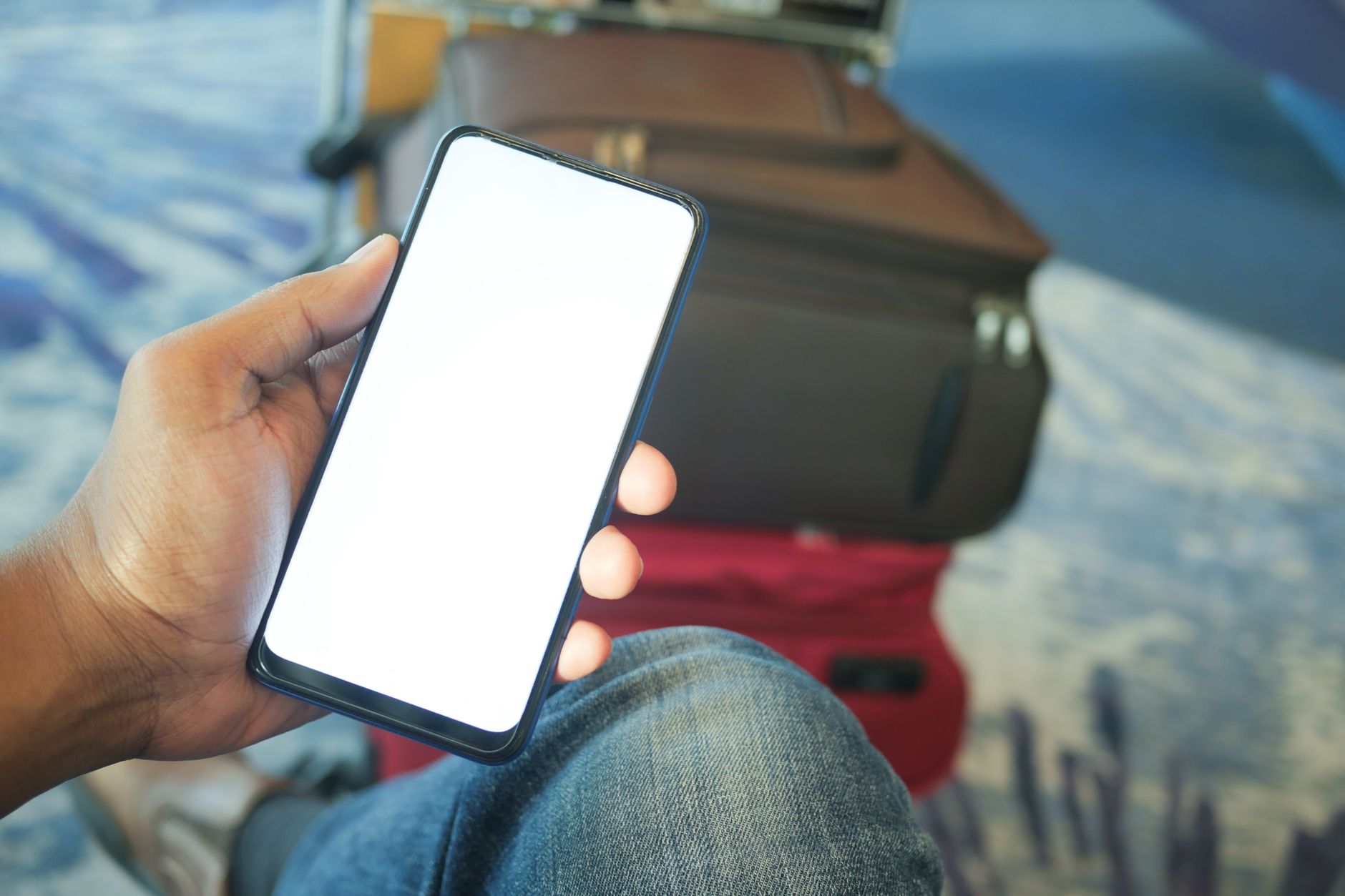
CAT-2 units sit at the document-check position of the security lane and pair a digital reader with a camera that takes a real-time photo of the traveller. The system compares that photo against the credential on the traveller’s phone, confirms same-day ticketing and screening status such as TSA PreCheck through a secure connection, and does it without the passenger handing over a boarding pass. Travellers without an mDL, or who prefer not to use one, can still present a physical licence, and TSA continues to advise carrying one as a backup.
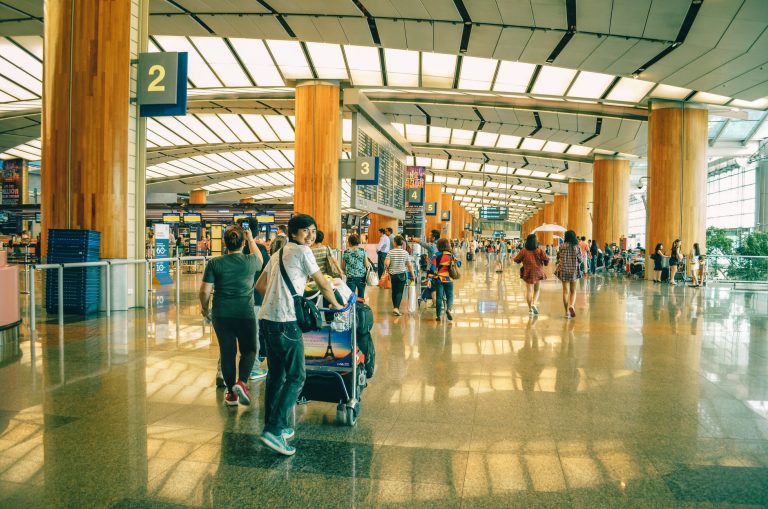
The commercial logic for airports is throughput, not novelty. Passenger sentiment on faster screening is already trending positive, per AirportsUK’s checkpoint satisfaction findings. Every second shaved off document verification at the first checkpoint position compounds across a bank of lanes at peak, and CAT-2’s ability to pull screening status automatically removes a manual step that otherwise slows PreCheck lanes down. It sits alongside the wider push to compare biometric boarding vendors on cost and capability, since CAT-2 and gate-side biometric boarding are increasingly bought as part of the same passenger-flow strategy rather than separate line items.
TSA’s CAT-2 programme has drawn on identity-technology suppliers including IDEMIA, which has long-standing federal identity contracts in the US. A contrasting, tighter security-screening approach is visible in Malaysia Airports’ six-agency security reset. Colorado’s move follows CBP’s own recent biometric expansion, most visibly at Bermuda airport’s biometric enhanced passenger processing rollout, and comes as VMD’s place on TSA’s $5bn Screening Partnership Program contract shows how much procurement is still moving through the wider TSA checkpoint budget this year.
The gap for airport operators is state-level, not federal. Whether an mDL works at a US checkpoint depends on the traveller’s home state having built one that CAT-2 recognises, so an airport’s local passenger mix, not its own procurement, decides how much benefit it sees. Airports in the 21 participating states get a modest throughput gain for free, riding on an existing TSA contract; airports elsewhere gain nothing until their state issues a compatible credential, and should not budget for it as a lane-capacity fix in the meantime.
For terminal operators tracking checkpoint satisfaction, this fits the pattern already seen in AirportsUK’s data linking screening investment to passenger satisfaction, where incremental hardware and software upgrades at the document-check stage move perception scores more than any single terminal redesign.
The practical takeaway: check whether your state is on TSA’s mDL list before promoting it to passengers, and if it is, treat CAT-2’s automatic screening-status check as a lane-throughput input for peak-hour modelling rather than a headline feature.
Story first reported by Passenger Terminal Today.