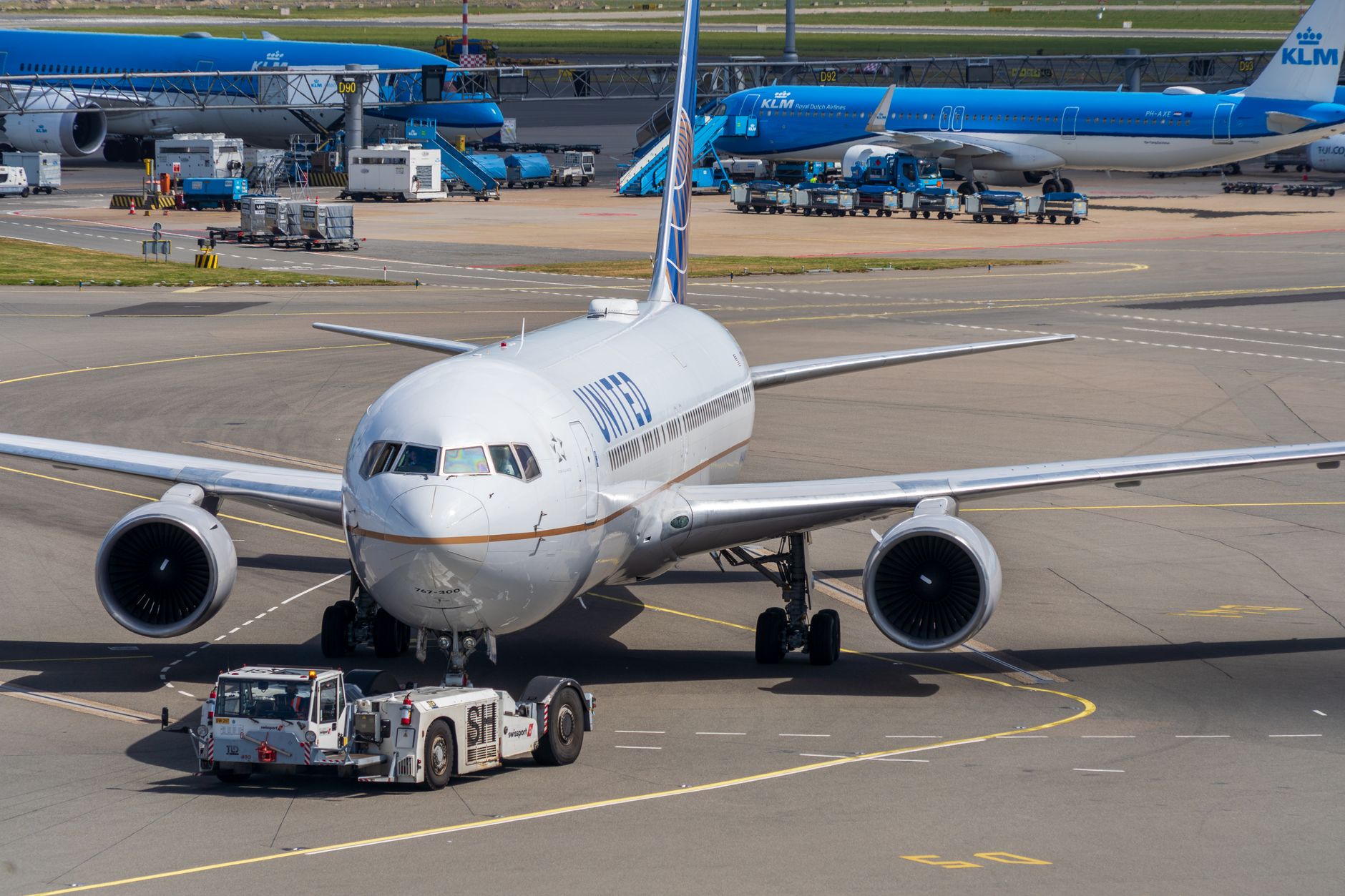
TLD has demonstrated what it calls the world’s first remote wide-body pushback, a remote-controlled milestone for ramp operators watching automation and electrification converge on the same piece of equipment. The trial, run at Hong Kong International Airport, points to where ground handling budgets are heading next: away from hydraulic tugs and towards battery-electric tractors that an operator can drive from a wireless panel rather than a cab.
TLD demonstrated the world’s first remote-controlled wide-body aircraft pushback at Hong Kong International Airport, using its electric TPX-200-MTX-E tractor on a Cathay Pacific Airbus A350-900. The tractor was steered by an on-ground operator through a custom-built portable wireless remote-control panel rather than from inside the vehicle, in a live airside pushback rather than a static demonstration. The trial ran with the support of Airport Authority Hong Kong, the Hong Kong Civil Aviation Department, Cathay Pacific and ground handler HAECO.
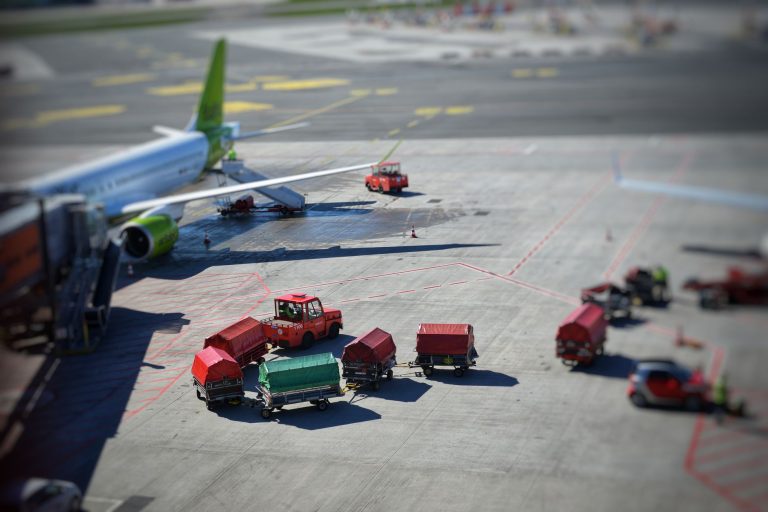
The TPX-200-MTX-E is built around a direct electric driveline with two wheel-hub motors, sending power straight to the wheels instead of through the hydraulic transmission most pushback tractors still use. TLD says that design cuts the heat and energy losses of conventional hydraulics while adding anti-jackknife safety and automated loading, and the platform is built to handle narrow-body as well as wide-body aircraft, a similar airside technology trial to NLR’s liquid hydrogen drone trial at Rotterdam The Hague Airport. No purchase price or trial cost has been disclosed by TLD or Airport Authority Hong Kong.
Why it matters to ground operations
Removing the driver from inside the tractor cab changes where the operator stands relative to the aircraft, which TLD frames as a ramp safety gain through better situational awareness during pushback, one of the higher-risk manoeuvres on the apron. That apron safety focus mirrors the airside technology upgrades tracked in the FAA’s surface surveillance rollout. That safety argument sits alongside the electrification pitch: TLD says more than half of its GSE production is now electric, a shift airports are already tracking on the airside vehicle fleet more broadly, as seen in Stansted’s electric bus trial on its car park shuttle route.
The remote-control layer also puts pushback in the same conversation as the automation pilots airports are running elsewhere on the campus, from surface surveillance rollouts to the live agentic AI trials at CVG and Munich Airport. TLD has said its next step is testing off-site remote pushback from a control room, which would take the operator off the ramp entirely and move the technology closer to autonomous operation. For ground handling agents comparing electrified equipment against other GSE suppliers, this sits alongside the wider shift already tracked in airport de-icing vehicle supplier comparisons, where electrification and remote operation are becoming standard requirements in tenders rather than options.
For airports and handlers still running hydraulic tugs on wide-body stands, the practical read is this: TLD has proven the concept works on an A350, not that it is commercially available at scale or at a published price. Operations directors weighing electrification of their pushback fleet should ask TLD directly about deployment timelines and costs before budgeting a line item, and watch for the off-site control-room trials that would signal the technology is ready to move beyond demonstration.
Source: Airport Improvement, 8 September 2026.