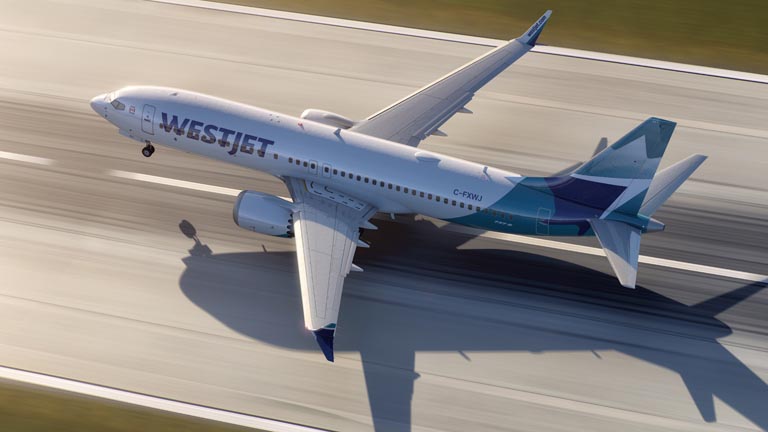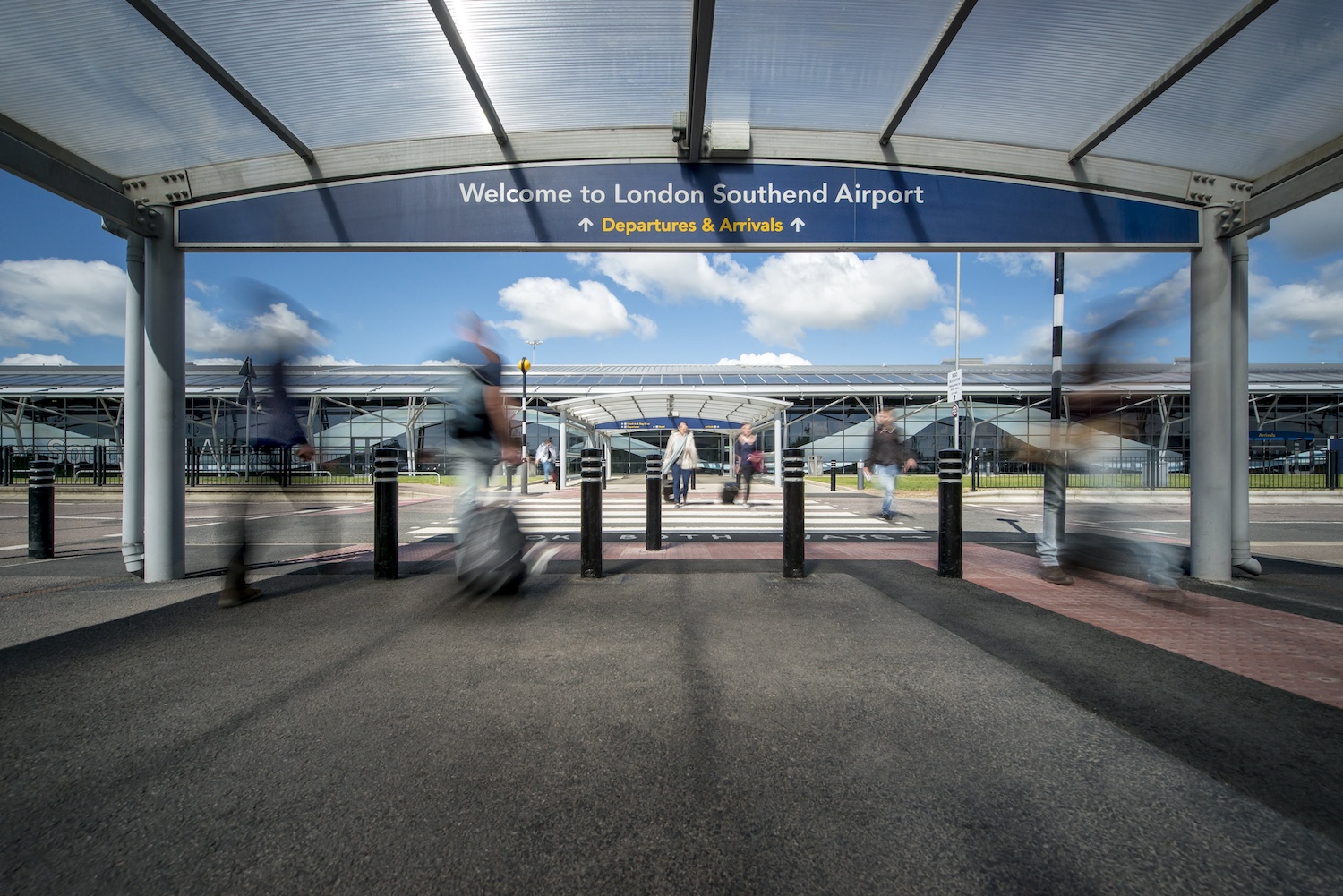
easyJet has launched its new Munich route from London Southend Airport, giving the carrier a foothold on a route that secondary UK airports have long struggled to justify to network airlines. The easyJet Munich route launched on Thursday 17 September 2026 and will operate up to three times a week, according to Regional Gateway.
The service connects Southend directly to Bavaria’s largest city, one of Germany’s busiest business and leisure destinations. easyJet is pairing the flights with easyJet holidays packages that include hotel stays, 23kg baggage allowance and transfers, positioning the route as much for city breaks and Christmas market traffic as for corporate travel.
Why a secondary airport gets a Munich slot
London Southend has spent several years building out its network from a small base, and a route to a city as commercially significant as Munich is a meaningful addition rather than a routine schedule tweak. London Southend Airport chief executive Jude Winstanley called the route “a fantastic addition to our growing route network,” framing it as evidence the airport’s partnership with easyJet is deepening rather than just holding steady.
For easyJet, three flights a week is a cautious opening frequency, the kind of schedule an airline runs when it wants to prove demand before committing more aircraft time to a route. Kevin Doyle, easyJet’s UK Country Manager, said the airline is “delighted to continue expanding the choice available from London Southend,” language that points to further additions from the airport if this one performs.
The timing lines up with demand data already moving in Munich’s favour. Bookings data covered separately by Amadeus showed Indian Oktoberfest bookings to Munich up 60%, one signal among several that the city’s pull extends well beyond its domestic German catchment and into new source markets that regional UK airports can try to tap.
What it means for the reader
This is a low-risk network move rather than a capacity story. Three weekly rotations will not move Southend’s overall passenger numbers much on their own, but they add a business-relevant destination to a route board that has mostly served leisure demand, which matters if the airport wants to attract corporate travel bookers in Essex and the wider South East.
It is also a reminder that secondary airports are competing for the same airline capacity decisions that larger hubs take for granted, at a point when global passenger demand growth has slowed sharply. IATA’s most recent tracking showed global passenger demand growing just 0.2% in July, which makes any airline willing to commit new frequencies to a smaller airport worth watching. Ground transport links matter here too: schemes such as the planned hourly Birmingham-Manchester airport rail service from 2027 show how regional airports elsewhere are pairing new routes with better surface access, something Southend’s catchment planners should be tracking too.
For airports elsewhere with spare slots and a similar catchment profile, the takeaway is procedural rather than dramatic: pitch a specific, provable leisure and business demand case to a low-cost carrier already flying from your airport, start at low frequency, and use package-holiday attachment to de-risk the route before asking for more.
Photo: londonsouthendairport.com