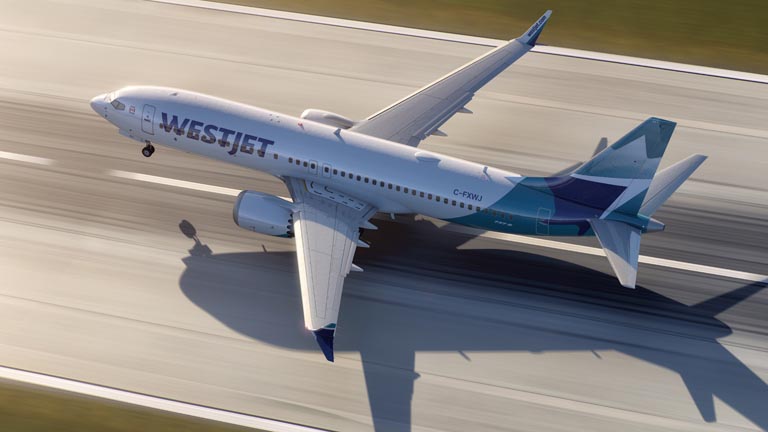
An airport losing its dominant carrier to a shutdown has handed the gap to a single low-cost rival, which is now adding 11 nonstop routes in one announcement and becoming the biggest airline on the field. Myrtle Beach International Airport (MYR) confirmed on 13 October 2026 that Breeze Airways will launch service to 11 new destinations in 2027, taking its total to 25 nonstop markets from the airport and making it MYR’s largest carrier once the routes start flying, according to WMBF News.
Breeze, Myrtle Beach International Airport and Visit Myrtle Beach announced the expansion at a news conference on Tuesday 13 October 2026, with the new flights beginning as early as 9 February 2027 and running through to 1 July 2027, WMBF reports. The carrier will serve Albany, Boston, Buffalo, Burlington, Columbus, Latrobe, New Haven, Portland (Maine), Portsmouth, Stewart/Newburgh and Syracuse, with starting one-way fares between $49 and $79, per the same report.
| Destination | Days | Start date | Starting fare |
|---|---|---|---|
| Albany, NY | Mon/Fri | 28 May 2027 | $69 |
| Boston, MA | Daily | 4 May 2027 | $79 |
| Buffalo, NY | Thu/Sun | 1 July 2027 | $59 |
| Burlington, VT | Thu/Sun | 27 May 2027 | $79 |
| Columbus, OH | Mon/Fri | 28 May 2027 | $59 |
| Latrobe, PA | Mon/Fri | 9 Feb 2027 | $49 |
| New Haven, CT | Wed/Sat | 26 May 2027 | $59 |
| Portland, ME | Thu/Sun | 27 May 2027 | $79 |
| Portsmouth, NH | Wed/Sat | 26 May 2027 | $79 |
| Stewart/Newburgh, NY | Mon/Fri | 28 May 2027 | $59 |
| Syracuse, NY | Thu/Sun | 27 May 2027 | $69 |
Source: WMBF News, 13 October 2026. Promotional fares valid for travel through 7 September 2027; some routes carry additional date restrictions and fares are subject to change.
Why it matters to the people who run airports
MYR’s position is a direct result of carrier concentration risk materialising. Spirit Airlines held about 50% of the Myrtle Beach market in 2019 but had fallen to 23% by the time it ceased operations in May 2026, WMBF reports, citing MYR spokesperson Ryan Betcher. Betcher said the airport had spent years deliberately diversifying its carrier mix post-pandemic to reduce overreliance on any single airline, which is the same exposure covered when WestJet exited entire markets elsewhere in the network. The lesson for commercial directors is that diversification work done before a carrier collapse is what determines how fast a replacement can be found, not goodwill extended afterwards.
Judi Olmstead, director of airports at Myrtle Beach International Airport, said the new routes go to “high-demand markets” and some of the “most requested cities” by MYR travellers, and framed the deal in commercial terms: “We know these flight options will not only benefit travelers, but also the local economy with job creation, tourism revenue, and business opportunities,” she said, according to WMBF.
Breeze Airways Chief Guest Officer Dana Shapir Alviene said the carrier arrived at MYR with a single destination in February 2024 and has “more than doubled” its seats and flights at the airport in the past year alone, per WMBF, carrying more than twice as many guests over the same period. That growth curve, from one route to 25 in under three years, is the model other mid-size airports will be studying when they build their own single-carrier dependency plans, a decision that sits alongside how Phoenix Sky Harbor named American Airlines its West Terminal anchor to lock in long-term capacity commitments.
Bob Harris, executive vice president of group sales for Visit Myrtle Beach, said the new routes are valuable given current economic conditions and could help attract more group and convention travel to the area. “Having those direct flights that come from all over these destinations to our area makes a huge difference in our ability to try to bring those groups here,” Harris told WMBF. That is a commercial case heads of passenger experience and destination marketing teams can take straight into their own airline negotiations.
What to do now
- Commercial directors at mid-size US airports should model what a single low-cost carrier scaling from one route to 25 in under three years does to gate, kerb and security throughput, not just to the route map.
- Heads of operations should review whether current contracts and ground-handling capacity were sized for the departed incumbent carrier or for the growth of its replacement, a gap that tends to show up first at security and bag drop.
- Airports still carrying concentration risk from a single dominant carrier should benchmark against MYR’s post-pandemic diversification work before a shutdown forces the issue, rather than after, a pattern also visible where OAG tracked short-haul capacity shifting away from incumbent operators.
What is Breeze Airways?
Breeze Airways is a low-cost carrier described by WMBF as known for serving underserved markets; it is now MYR’s fastest-growing and, once the new routes launch, largest airline by nonstop destinations served.
Where does Breeze Airways fly from Myrtle Beach International Airport?
With the 11 new routes announced on 13 October 2026, Breeze will serve 25 nonstop destinations from Myrtle Beach International Airport, according to WMBF, spanning markets including Boston, Buffalo, Columbus, Portland (Maine) and Syracuse.
Why did Spirit Airlines leave Myrtle Beach Airport?
WMBF’s reporting covers Spirit Airlines ceasing operations in May 2026 but does not detail the carrier’s reasons for shutting down; MYR had already reduced Spirit’s share of the local market from about 50% in 2019 to 23% by the time it exited.
The takeaway: a carrier shutdown at one airport became a growth opportunity for another, and the commercial lesson, diversify before you have to, is the one every airport relying on a single dominant airline should be acting on now.