Justin Kester, VP of Global Sales at Synaptic Aviation, joined leaders from Southwest Airlines, Airbus, dnata USA and nlmtd on a five-firm smart apron panel at FTE Global 2026 in Dallas-Fort Worth on 9 September 2026, arguing automation on the ramp only works if operators share operational data first.
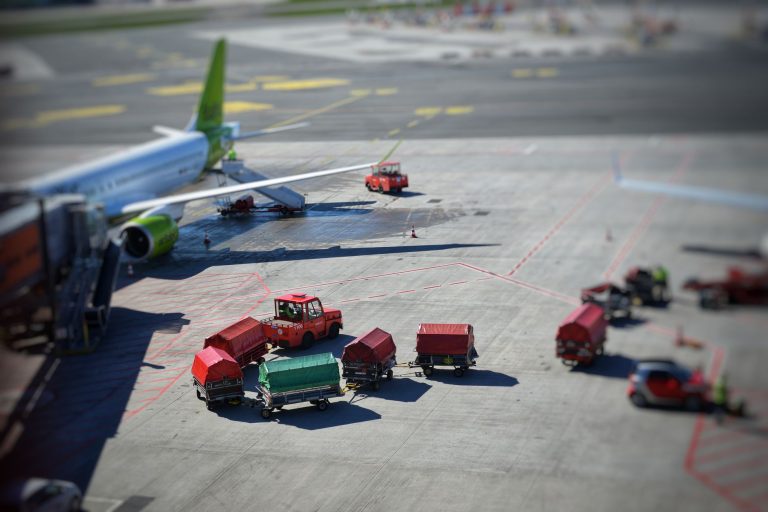
Justin Kester, VP of Global Sales at Synaptic Aviation, joined leaders from Southwest Airlines, Airbus, dnata USA and nlmtd on a five-firm smart apron panel at FTE Global 2026, held in Dallas-Fort Worth on 9 September 2026. The session, “Towards the Smart Apron: Automating the Turnaround Process,” was moderated by Max Gosney of Future Travel Experience and covered loading, fuelling, catering, baggage handling, pushback and turn coordination as separate automation targets within a single turnaround sequence.
Aircraft turnaround delay is a direct cost line for airlines and a capacity constraint for airports, which is why the business case the panel discussed ran through safety, on-time performance, cost reduction, sustainability and workforce productivity rather than automation for its own sake. Ground handlers and airport operations directors evaluating autonomous vehicles or AI support tools are increasingly asking not whether a given tool works, but whether it shares data with everything else on the apron.
Synaptic Aviation’s own answer to that question, as detailed in Synaptic Aviation’s recap of the session, is AI-powered computer vision that turns existing airport camera feeds into timestamped operational events, without new hardware on the ramp. That positions it as a lower-capital route to turnaround visibility than a bespoke sensor build, and puts it in the same operational-data category as the Veovo operations platform Montreal-Trudeau has deployed and the surveillance rollout tracked in the FAA’s 100-airport surface surveillance programme.
The panel’s other conclusion was that there is no single smart apron blueprint: airport size, existing infrastructure, traffic mix and available capital all change where an operator starts. For some, that means autonomous ground equipment along the lines of the electric pushback tractors covered in TLD’s electric GSE production milestone. For others, it means better data and visibility before any vehicle-level automation is bought at all.
None of this comes with a published price. Synaptic Aviation’s announcement carries no figures on deployment cost, contract wins or airport count, which matters for any procurement director trying to size the investment against a camera-hardware or sensor-based alternative. What the session does confirm is a sector-wide shift in vendor thinking, away from selling isolated automation tools and toward selling the data layer that makes those tools talk to each other.
For an operations manager weighing where to start, the practical move is to audit what your existing camera and CCTV infrastructure can already tell you about turnaround timing before commissioning new ramp hardware, and to ask any vendor, Synaptic Aviation included, for a costed pilot rather than a platform demo.