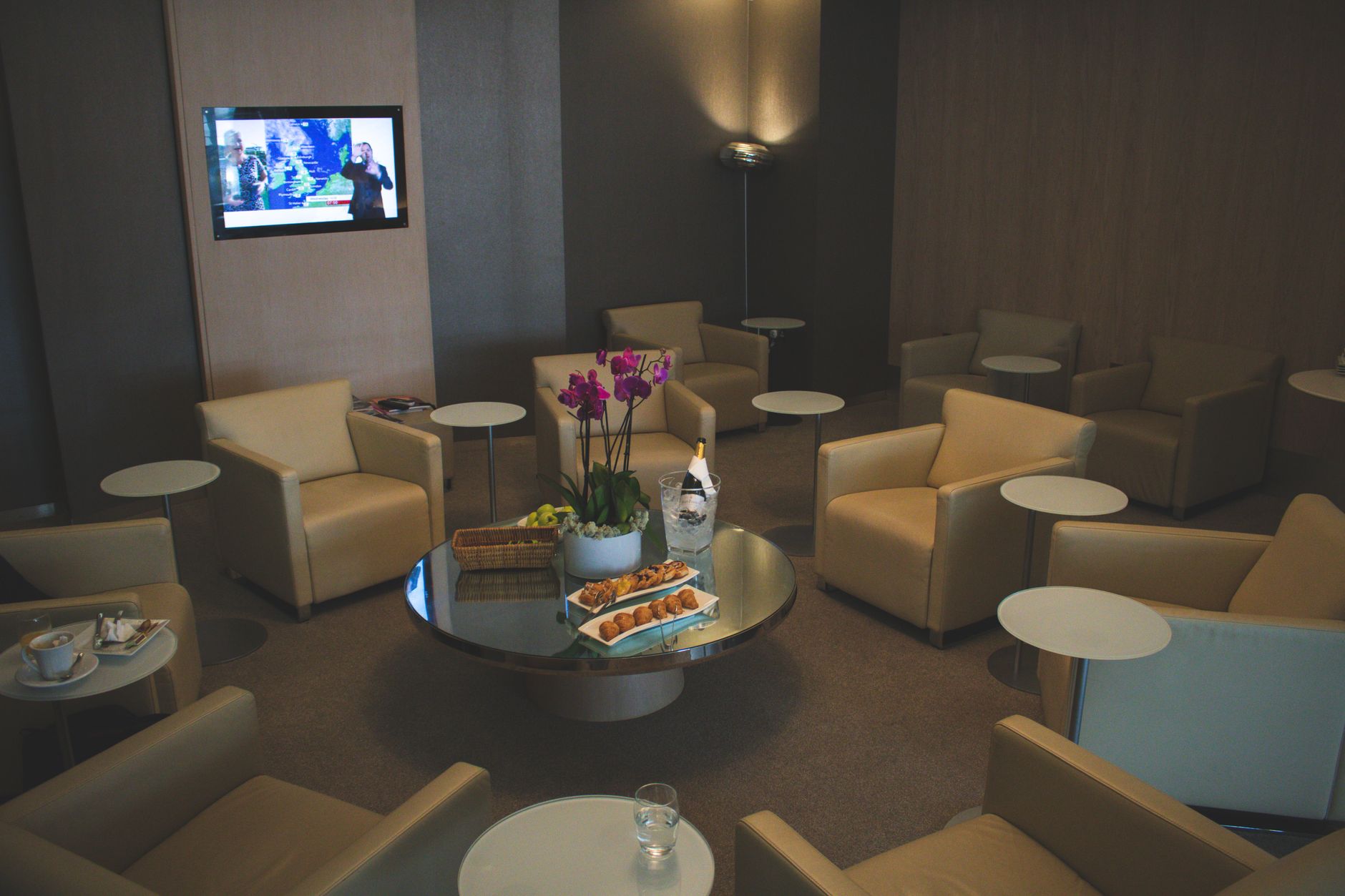
The DFW lounge expansion is growing Dallas Fort Worth International Airport‘s premium lounge footprint by about 44%, from nearly 162,000 sq ft to over 234,000 sq ft, as Chase Sapphire, Plaza Premium Group, American Express and American Airlines all expand on site. The airport already runs more than 20 lounges and premium spaces across its terminals, one of the largest such portfolios of any US hub, according to Future Travel Experience, which first reported the expansion.
The new build-out is being driven by five separate projects rather than one master plan. Chase has opened an 18,000 sq ft Chase Sapphire Lounge by The Club with wellness amenities and family space, while Plaza Premium has added a first-in-the-nation Plaza Premium First Lounge and a second standard Plaza Premium Lounge this spring. American Express is enlarging its Centurion Lounge by close to 50%, adding a second full-service bar and a new dining area.
American Airlines, DFW’s largest airline partner, is adding to a portfolio that already runs five Admirals Club lounges plus a Flagship lounge and Flagship First dining. As part of the reimagined Terminal C, the carrier has confirmed its largest-ever Admirals Club at 37,000 sq ft, and the future Terminal F will open with a Provisions by Admirals Club concept as the first phase of American’s premium offering there. A new Flagship check-in experience is also live in Terminal D, giving eligible customers private check-in and a dedicated route through screening, a service model that sits alongside the gate-level upgrades United has been trialling at Newark.
For travellers who want to skip the terminal altogether, Private Suites has opened a dedicated private facility at DFW offering private and semi-private TSA and Customs processing, its own lounge and suite accommodation, and airside transport direct to and from the aircraft. None of the announced projects carries a published construction cost, and DFW has not put a figure on the combined capital spend behind the 72,000 sq ft of new space.
Why it matters to the P&L
Lounge access, whether sold, comped through a credit card or bundled into a premium fare, is one of the highest-margin square-foot uses an airport can grant a concession or a tenant, and it is the kind of spend-per-head upside that offsets pressure elsewhere in the terminal mix, the same dynamic behind WHSmith’s recent profit warning tied to airport mix shift. For DFW, adding five operators across three terminals in a single year signals that airline and card-issuer demand for premium footprint is outrunning supply, and that the airport sees more value handing space to Amex, Chase and American than to standard retail.
The lesson for other hub operators is less about the square footage and more about the model: DFW is not building one flagship lounge, it is stacking multiple operators’ expansions against a single terminal redevelopment timeline, the kind of phased approach also visible in Philadelphia’s phased capital programme. Airports with spare terminal capacity and a credit-card partner already on site have a template to shortlist: approach the co-brand issuer first, then the home carrier’s premium arm, before opening a tender to independent lounge operators.
Takeaway: if your airport has a co-brand card lounge already trading, that operator is the fastest route to incremental premium square footage, and DFW’s Chase and Amex expansions show issuers will fund enlargement on an existing footprint rather than wait for a new one to be built.