London Luton Airport has signed a fully funded power purchase agreement for the London Luton solar project, a 10.42MWp installation developed with Zestec Renewable Energy and Ikigai Energy, a project the airport’s infrastructure director Marc Wolman calls “a significant milestone” in its Net Zero 2040 plan. The deal matters to any airport operator watching capital budgets: it delivers on-site generation without the airport putting up money for it.
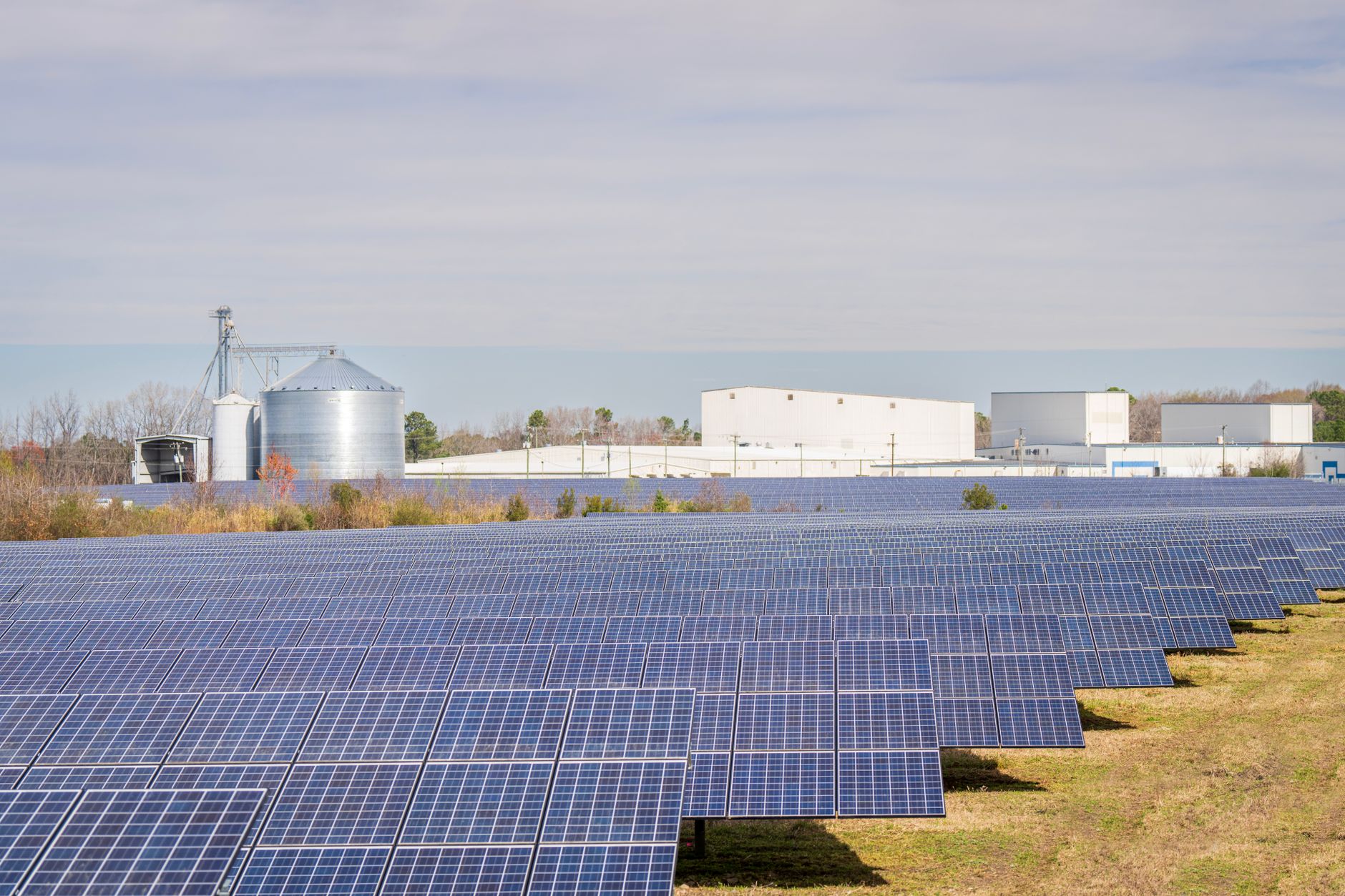
London Luton Airport has signed a fully funded power purchase agreement for a 10.42MWp solar installation developed with Zestec Renewable Energy and Ikigai Energy, a project Wolman calls “a significant milestone” in its Net Zero 2040 plan. The array will comprise more than 14,500 solar modules spread across five development areas inside the airport’s secure airside perimeter, generating up to 11.2GWh of electricity a year once complete, according to Airport World, which reported the deal on 24 September 2026.
The economics are the point. Under the PPA structure, Zestec and Ikigai fund, build and own the installation, and the airport buys the power it produces at an agreed rate rather than paying for the asset itself. Airport World’s report puts first-year carbon savings at approximately 1,467 tonnes of CO2e, alongside what the parties describe as “significant long-term energy cost benefits and protection from electricity market volatility”, though neither the capital cost of the installation nor the agreed power price has been disclosed.
Zestec Renewable Energy is owned by funds managed by Octopus Energy Generation, giving the project institutional backing behind the generation and offtake risk. Legal advice on the airport side came from Freeths, whose clean energy head Clare King noted the deal “highlights the breadth of expertise required to deliver major renewable energy infrastructure projects” in operationally complex sites such as airports. Burges Salmon advised Zestec, with senior partner Ross Fairley framing the transaction as evidence that “the energy transition is moving beyond traditional power generation” for major infrastructure operators.
The financing model is the part worth copying rather than the technology. It sits alongside a wider pattern of airports using third-party capital to fund decarbonisation without touching their own balance sheets, similar in principle to the structure behind VINCI Airports’ £500m commitment at Edinburgh. It also lands as UK carbon policy tightens around aviation fuel and energy, following the UK’s rejection of a duty on US HVO biodiesel imports and the news that EU SAF supply cleared its 2% ReFuelEU target in 2025, both signals that on-site energy resilience is becoming as commercially relevant as fuel supply.
For airports with airside land to spare and a decarbonisation target but no capital line for it, this is the template to take to the board: approach a developer with a funded PPA offer, put the emissions saving and the energy cost hedge in the business case, and treat the solar array as a procurement decision rather than a construction project.