ACI Europe has warned that EES delays at Schengen’s external borders will not end unless the European Commission and EU member states address structural problems with the Entry/Exit System, in a statement issued on 12 October 2026 as the biometric check approaches its first anniversary.
The EES requires non-EU, non-Schengen travellers to register fingerprints and a facial image at the external border on their first crossing, a biometric step that replaced manual passport stamping. It has been rolling out in phases at airports, ports and land crossings since the system went live in October 2025, and ACI Europe says the problems it has caused are not teething issues that will resolve themselves.
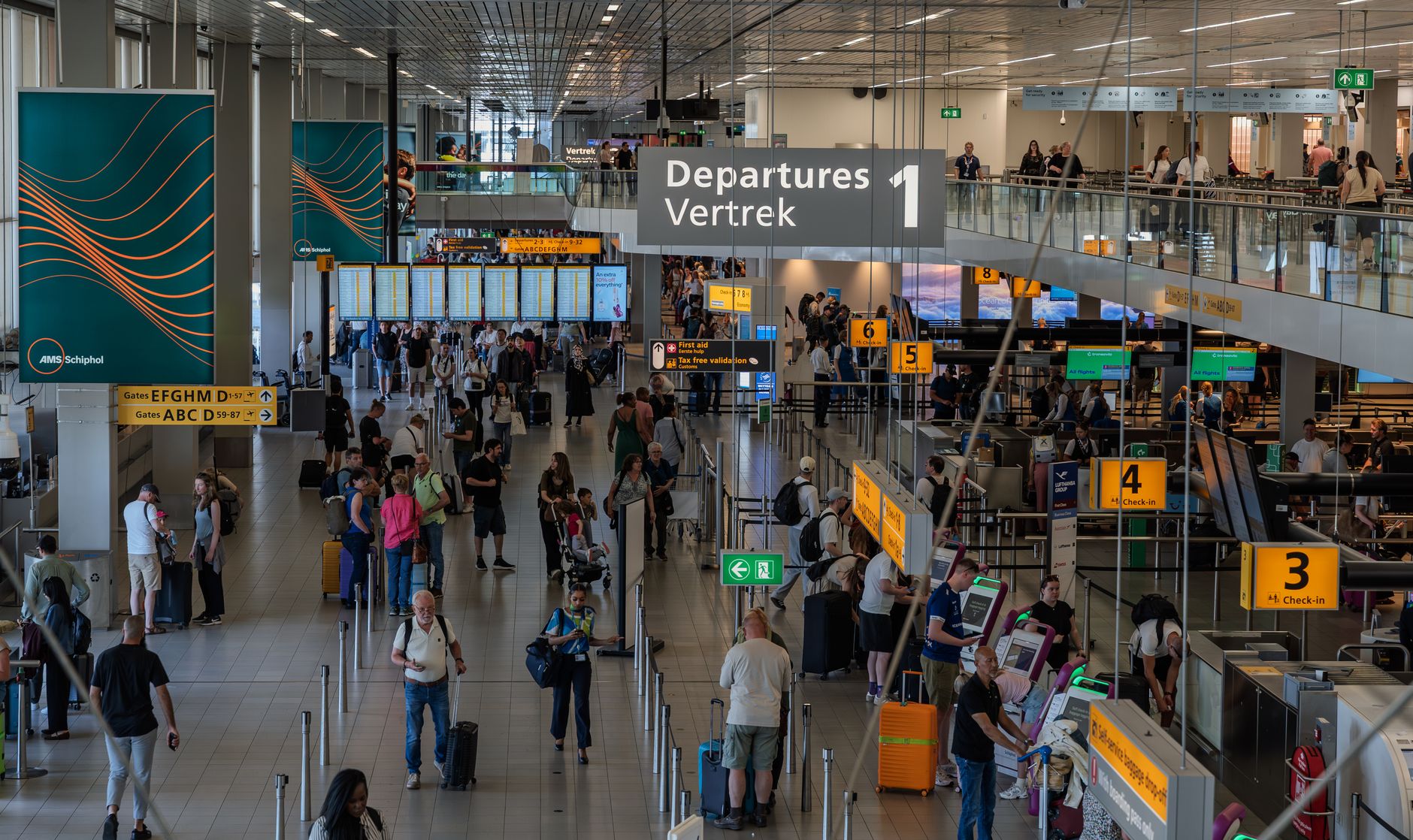
ACI Europe, which says it represents more than 500 airports across 55 countries, has pointed its warning directly at the two bodies with the power to change it: the European Commission, which owns the EES Regulation, and the national governments responsible for staffing and running their own border posts. Biometric enrolment takes longer per traveller than a passport check, and where border posts have not added lanes, kiosks or staff to match, the result shows up as queue time at arrivals.
For airport operators that queue time is a cost line, not a travel-news story. Extra staff for queue management, floor space given to processing lanes instead of retail or seating, and missed connections when non-EU arrivals queues run long all land on the airport’s own P&L rather than the Commission’s. The pressure is the same one ACI World has raised at global level over capacity funding: infrastructure that governments mandate but do not fully fund to match.
Some airports are not waiting on Brussels. Self-service biometric kiosks and e-gates from suppliers such as IDEMIA, Thales, SITA, Vision-Box and Secunet are being used to absorb EES enrolment volume without adding border officers one for one. IDEMIA’s own rollout of its MFACE Gen2 face scanner, already past 3,000 units installed, is part of that same equipment push, and the company is also one of five firms backing a coalition lobbying for clearer EU biometric rules that would make procurement decisions like these easier to plan around.
Queue-management fixes outside the EU show the range of options on the table. The US TSA’s Gateside Pass trial at Syracuse, which currently caps throughput at 75 travellers a day, is a smaller-scale example of using a pass system to route volume away from a single chokepoint rather than waiting for infrastructure to catch up.
For airport operators, the practical move is to treat EES as a capacity and staffing cost that will not disappear with time, budget for additional lanes and kiosks now rather than after the next peak season, and track the Commission’s response to ACI Europe’s warning as a signal of whether that cost gets shared or stays entirely on the airport’s side of the ledger.