British Airways confirmed on 5 October 2026 that flight BA295 turned back to Heathrow under a general emergency squawk less than an hour into its scheduled service to Chicago O’Hare, triggering standby call-outs at multiple potential diversion airports and an overnight rebooking exercise for a full Boeing 777 cabin: the cost line that matters to airport ground teams, slot-holders and commercial managers on both ends of the route.
A London to Chicago flight dropped 28,000 feet over Ireland within an hour of departure and turned back to Heathrow under a general emergency squawk, British Airways confirmed on 5 October 2026.
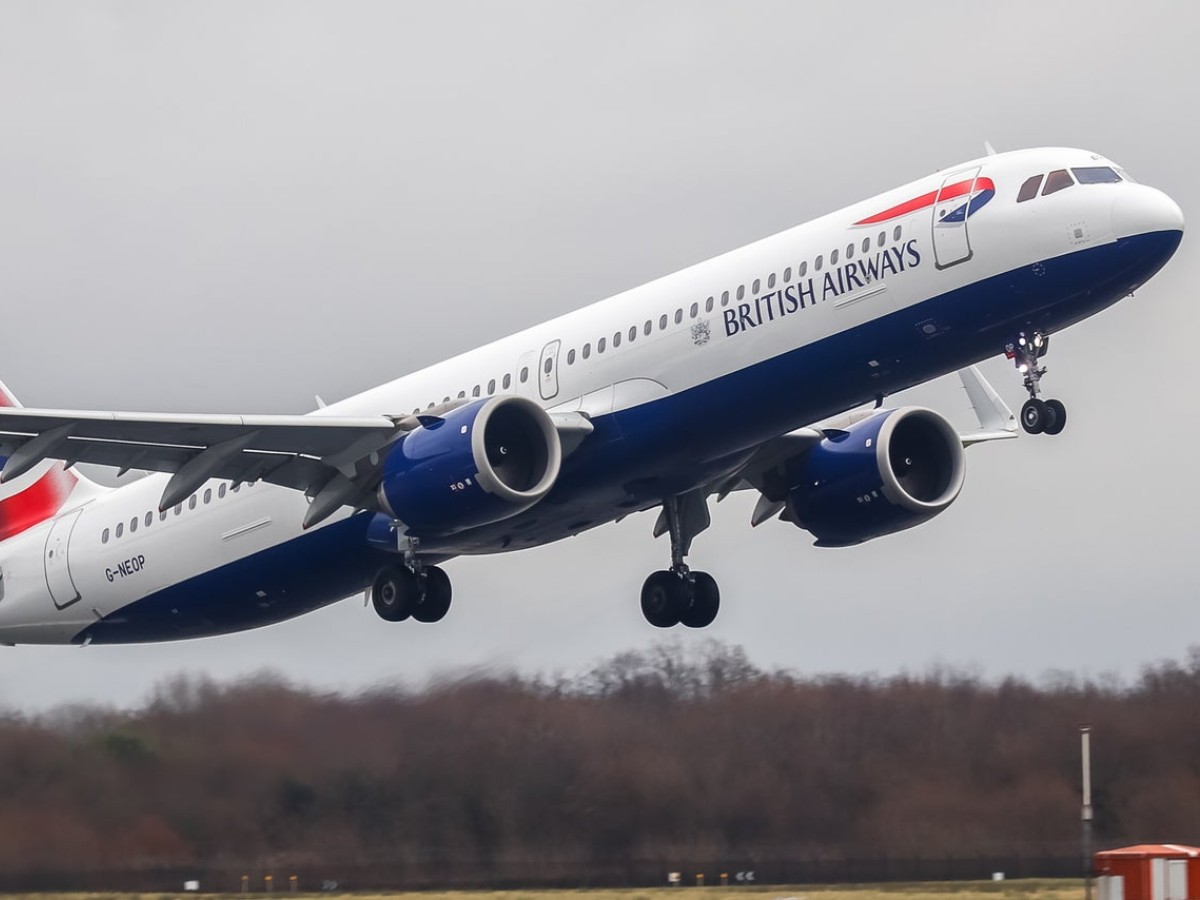
Flight BA295, a Boeing 777-200ER operating British Airways’ scheduled eight-hour-40-minute service from London Heathrow Terminal 5 to Chicago O’Hare International Airport, departed at 11.50am local time, according to the Mirror. The aircraft climbed to a cruising altitude of 37,000ft before descending rapidly to around 9,000ft over Irish airspace, the Mirror reported, with the crew transmitting the international 7700 emergency code, which Flightradar24 confirmed on social media, as reported by ABP News.
Why it matters to airport and airline operators
A squawk 7700 alert tells air traffic control that a flight has a general emergency without specifying its nature, according to the Financial Express, which means ground teams have to prepare for the worst case before anyone on board confirms what actually happened. AIRLIVE reported that emergency response teams at potential diversion airports were placed on standby as a precaution while BA295 headed back towards London, ABP News reported, a reminder that a single depressurisation-pattern descent triggers a multi-airport response, not just one at the destination runway. No injuries were reported among passengers or crew, ABP News said. The aircraft entered a holding pattern to burn off fuel before landing, though reports differ on exactly where: the Mirror cited the Welsh coast, while the Financial Express cited the English Channel.
The incident also lands on top of capacity pressure at both ends of the route. Heathrow’s own runway expansion timeline, covered in our report on the third runway slipping to 2039, shapes how much spare slot capacity exists to absorb an unscheduled return like this one, while O’Hare’s own constraints, detailed in United’s deferral of ten O’Hare routes under the FAA’s extended cap, mean a cancelled transatlantic arrival has knock-on effects for slot-holders on the Chicago side too.
What it means in practice
The aircraft involved, registered G-VIIA, was around 30 years old, according to AIRLIVE as cited by ABP News and the Financial Express, a detail that matters for any operator weighing maintenance scheduling against fleet renewal on long-haul widebodies still flying three decades on. Passenger Tom Nicholls told the Mirror the descent “didn’t feel too extreme” and praised the crew, saying “I’d say the pilots did a very good job.” Another passenger, Clare, told the Mirror the cabin crew were “fabulous” and “reassuring,” telling passengers the event was a “rare occurrence.” British Airways said in a statement reported by the Mirror: “The safety of our customers and crew is always our top priority, and the aircraft landed safely after our highly-trained pilots returned to Heathrow following a technical issue. Customers disembarked the aircraft normally and our teams are working to get their travel plans back on track as quickly as possible.” Nicholls told the Mirror passengers “were all booked onto different flights tomorrow,” which is the real cost line for operators: rebooking an entire widebody’s worth of transatlantic passengers overnight, not the diversion itself.
This is not the first diversion story this title has covered this year; see Emirates’ A380 diversion to Frankfurt on EK31 for a comparable case of how quickly a scheduled network reshuffles around one unplanned landing.
What to do now
Airport operations teams on both long-haul and short-haul programmes should stress-test their squawk 7700 response chain: confirmation protocols with the originating airline, standby arrangements with potential diversion fields, and fuel-dump holding coordination with ATC, all of which were visibly active within the BA295 response according to the reporting cited above. Airlines running older widebody types should treat this as a prompt to revisit maintenance intervals and crew briefing standards for depressurisation-pattern events specifically, given how central the cabin crew’s calm handling was to the passenger accounts above. Commercial and customer teams should also have a same-day rebooking plan ready to execute, since that, not the emergency itself, is what passengers remembered most clearly.
What happened to British Airways flight BA295?
BA295, flying from London Heathrow to Chicago O’Hare, descended from 37,000ft to around 9,000ft over Ireland about an hour into its flight and declared a general emergency before returning to Heathrow, according to the Mirror and ABP News.
What caused the BA295 emergency?
British Airways described it as a technical issue, the Mirror reported. AIRLIVE called it an “unexpected operational issue,” according to the Financial Express, which noted the exact cause had not been confirmed.
Were there any injuries on BA295?
No injuries were reported among passengers or crew, ABP News reported.
The takeaway: a squawk 7700 event over Irish airspace put standby teams on alert at multiple airports and forced an overnight rebooking exercise for an entire widebody, underlining why diversion readiness and fast rebooking capacity now belong on the same checklist.